三大机构联手办「宽思考」研究所:Nature 观点文章全文精读
2026-11-03 Nature 评论文章《Why we're setting up an institute for radically broad thinking》:马克斯·普朗克学会、普林斯顿高等研究院与魏茨曼研究所联合发起「高级研究联盟(ARC)」,不设固定教职、不预设研究议程,让结构围绕研究者的问题生长。本文照录原文关键段落并附图片,再拆解它的运行机制与对高校的启示。
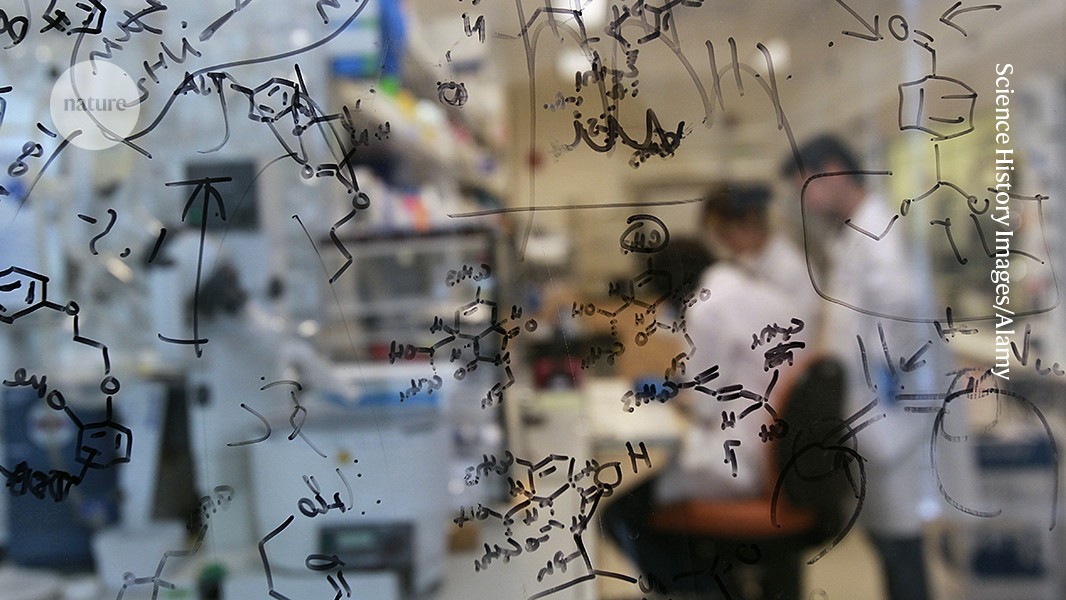
整理说明:本文整理自 Nature 评论文章 Why we’re setting up an institute for radically broad thinking(2026-11-03),作者 Alon Chen(魏茨曼研究所)、Patrick Cramer(马克斯·普朗克学会)、David Nirenberg(普林斯顿高等研究院)。文中引用的英文段落照录原文,译文为本站所加,仅供理解参考;图片取自原文,版权归原拍摄者/机构所有(详见文末图注与来源)。
一、原文说了什么(照录 + 试译)
文章开篇给出的判断是:今天最棘手的问题,任何单一学科都装不下。
“The complex questions confronting humanity demand an interdisciplinary approach. Artificial intelligence, climate change, health and disease, the global economy, migration and the future of democratic societies cannot be understood through the lens of any single discipline.”
试译:人类面临的复杂问题需要跨学科路径。人工智能、气候变化、健康与疾病、全球经济、移民以及民主社会的未来,都无法透过单一学科的镜头被理解。
紧接着是一个反直觉的现实判断:越需要开放与合作的时候,环境反而越收紧。
“Yet, the need for a broad outlook and the free flow of ideas has become urgent just when the world is facing the headwinds of rising geopolitical tensions, shrinking financial resources and growing barriers to international academic exchange. Today, research and scholarship need more collaboration between nations, not less.”
试译:然而,对广阔视野与思想自由流动的需要,恰恰在地缘政治紧张加剧、经费收缩、国际学术交流壁垒增多的逆风中出现。今天的研究与学术,需要的是更多而非更少的跨国合作。
二、他们诊断的病因:不是人不行,是结构不行
“The question is whether our current research structures are adequately equipped for the task at hand. Most academic institutions are organized around departments, disciplines, funding streams and established research agendas, which are essential for organizational coherence but can constrain ideas that do not fit neatly within existing boundaries.”
试译:问题在于,我们现有的研究结构是否足以承担这项任务。大多数学术机构按院系、学科、经费渠道与既定研究议程组织,这些对组织的一致性至关重要,却会束缚那些无法整齐嵌入既有边界的想法。
这段话值得逐句读:作者并没有否定院系制——他们承认“essential for organizational coherence”(对组织一致性至关重要),问题在于它同时惩罚了“不整齐”的想法。这是对制度成本的冷静描述,而不是情绪化的批评。
三、ARC 是什么:一份“逆制度化”的设计说明
三家机构联合发起 Advanced Research Consortium(ARC):普林斯顿高等研究院、马克斯·普朗克学会、魏茨曼研究所。
“Launched on 22 October in Berlin, ARC’s mission is to foster fundamental, curiosity-driven research by providing the conditions for promising collaborations to do their most innovative work and get their most important ideas off the ground.”
试译:ARC 于 10 月 22 日在柏林启动,其使命是通过为有潜力的合作提供条件,让他们做出最具创新性的工作、把最重要的想法推上轨道,从而培育基础性的、好奇心驱动的研究。
关键设计有三条,且都是“减法”:
- 没有永久教职,也没有预设研究议程
“The consortium will have neither permanent faculty members nor a predefined research agenda. Rather than asking researchers to fit their questions into an existing institutional structure, the structure will form around their ideas.”
- 不要求产出,只要求“在场”
“The objective is not to offer researchers new sabbatical opportunities, nor simply to bring outstanding scholars into the same building. Rather, it is to temporarily relocate them from the day-to-day demands of their usual occupations, placing them in proximity to other exceptional minds, with no requirements of output other than pursuing their most ambitious collaboration.”
- 不预设结果
“We cannot — and should not — prescribe in advance what the outcomes will be. They might be discoveries, innovative methods, unexpected collaborations, entirely new questions or ideas, the significance of which might become apparent only years later.”
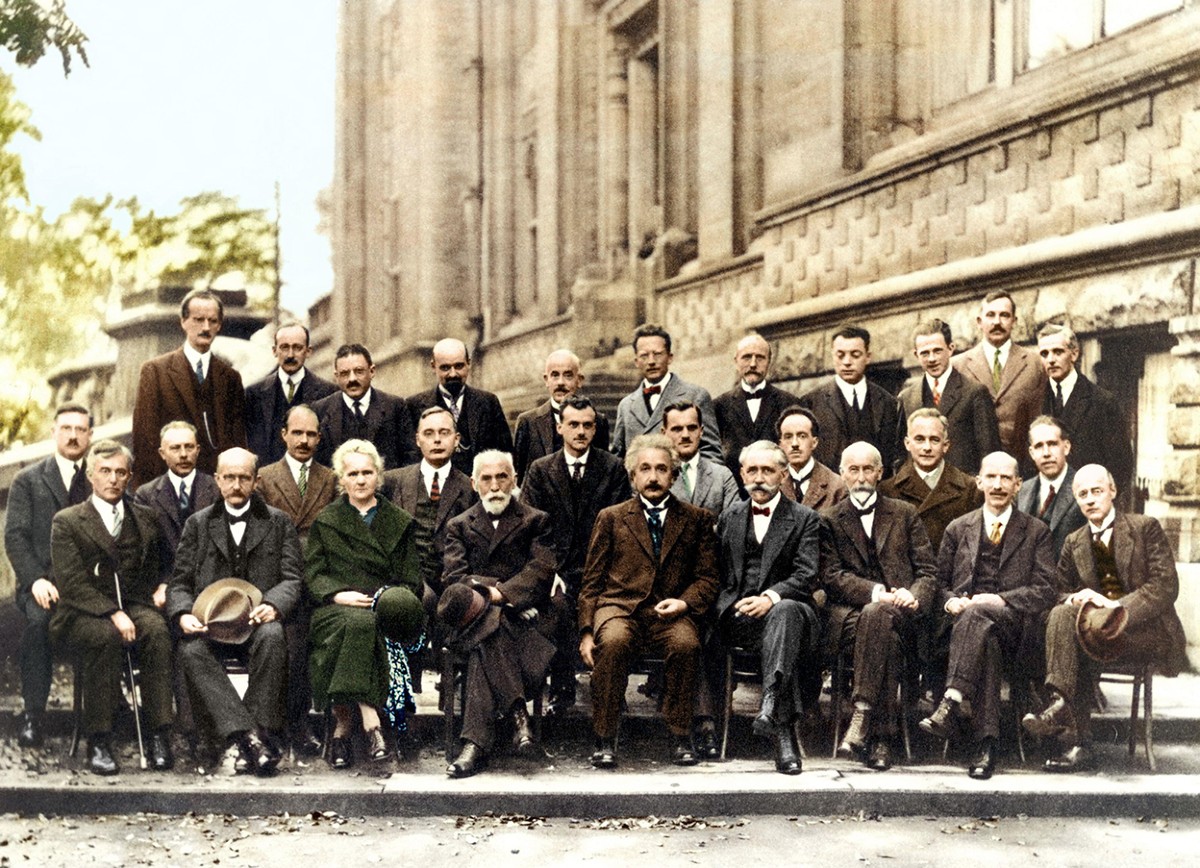
作者用 1927 年索尔维会议作例证,是很讲究的选择:量子力学不是某个人在办公室里独立完成的,它是一群人在连续的、无议程的、面对面的密集对话中“吵”出来的。ARC 想复制的正是这个场景。
四、具体怎么运行
| 项目 | 规模 | 时长 | 说明 |
|---|---|---|---|
| Exploratory Programs(探索项目) | 最多 6 人/组 | 最多 4 周 | 高强度短期接触,用来检验一个想法值不值得深挖 |
| Core Programs(核心项目) | 同时最多 20 人 | 最多 1 年 | 长期合作,用于已经成形的问题 |
| Postdoctoral Fellowship(博士后) | 每年最多 10 人 | 4 年 | 全额博士后薪资,时间分配在两家创始机构之间 |
“The Postdoctoral Fellowship Program will support up to ten researchers annually, each for four years, supplying full postdoc salaries. The fellows will divide their time between two of the three founding institutions.”
试译:博士后项目每年支持最多十位研究者,每人四年,提供全额博士后薪资;获资助者在三家创始机构中的两家之间分配时间。
资金方面,三家创始机构各自出资,后续依靠慈善捐赠扩大规模;参与者在柏林的驻留期间全额资助,驻地为历史建筑 Otto-Warburg-Haus。
五、本站的一点解读:这篇文章真正的对手是谁
如果只看标题,容易读成“又建了一个跨学科中心”。但从文本看,作者的对手不是学科壁垒,而是“产出考核”。
三处证据:
- 明确说“不要求产出”(no requirements of output)——这在今天的科研管理语境里,几乎是最激进的一句;
- 明确说“不预设结果”,并接受“意义可能在多年后才显现”——这等于放弃短期可计量性;
- 明确说这不是“新的休假机会”(not to offer new sabbatical opportunities)——它要的是把人从日常职责里“临时搬走”,而不是给一段带薪休息。
对高校管理者的启示,我认为有两条可操作:
- 先修“时间结构”,再谈“跨学科”:跨学科失败最常见的原因不是没人愿意合作,而是每个人都被本单位的教学、考核、项目节点切成碎片。ARC 的做法是先把一整段时间“买断”,其他条件才有意义;
- 对“不整齐的想法”要有制度性豁免:院系制的效率来自边界清晰,代价是边界外的东西无人认领。设立少量“不需归属、不需中期考核”的席位,比再建一个交叉学院更便宜。
当然也要看到它的局限:这套设计高度依赖三家顶级机构的声望与资金,能容纳的人数极少(每年 10 个博士后、Core 最多 20 人)。它是“示范装置”,不是“普及方案”。作者自己也承认,随着合作推进,“philanthropy will be essential”(慈善支持将不可或缺)——资金来源的可持续性,是这类实验最大的不确定项。
参考来源
- Chen, A., Cramer, P. & Nirenberg, D. Why we’re setting up an institute for radically broad thinking. Nature (2026-11-03). 原文链接
- 原文配图 1:不同学科研究者合作场景,Credit: Suzanne Kreiter / The Boston Globe via Getty
- 原文配图 2:1927 年索尔维会议,Credit: Science History Images / Alamy
- 说明:图片版权归原权利人所有,本站仅作评论与研究性引用,并已注明来源;如权利人要求,可立即移除。
